
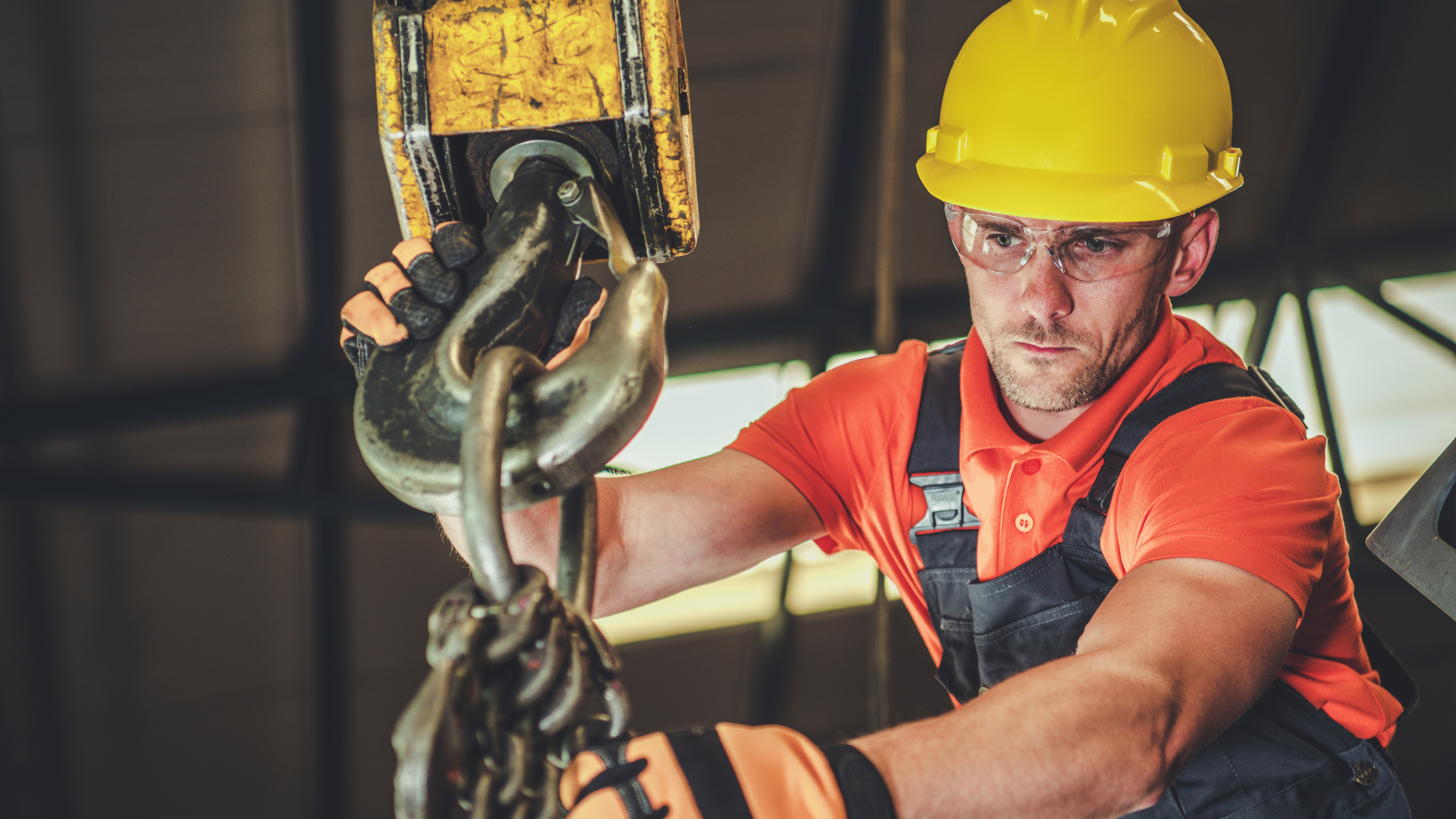
Overhead cranes play an important role in warehouses, factories and industrial facilities. They allow businesses to lift and move heavy loads efficiently, helping teams complete tasks that would otherwise require considerable time and effort.
However, like any piece of industrial equipment, overhead cranes need regular attention to remain safe and reliable.
Overhead crane maintenance helps businesses identify potential problems, reduce unexpected breakdowns and keep lifting operations running smoothly.
Whether your business operates a single crane or several lifting systems, taking a proactive approach to maintenance can make a significant difference.
Why Is Overhead Crane Maintenance Important?
Overhead cranes often operate in demanding environments, where they lift heavy materials and move loads throughout the working day.
Over time, regular use can cause wear to mechanical components, electrical systems and lifting equipment.
Without appropriate maintenance, minor issues may develop into more serious faults.
For example, worn components, damaged cables or problems with braking systems can affect how safely and effectively a crane operates.
Regular maintenance helps businesses identify these issues early and take appropriate action before they cause unexpected downtime.
It also supports safer working practices by helping ensure equipment remains suitable for its intended lifting operations.
Improving Workplace Safety
Safety should always come first when operating lifting equipment.
Overhead cranes handle substantial loads, and equipment faults can create serious risks for operators and anyone working nearby.
Regular inspections and maintenance help businesses identify visible damage, excessive wear and other potential hazards.
Maintenance activities may include checking brakes, examining wire ropes or chains, assessing lifting hooks and reviewing electrical components.
Operators should also complete appropriate pre-use checks and report unusual noises, movements or changes in performance.
If a crane develops a fault that could affect safety, the business should remove it from service until a competent person assesses the problem.
By combining routine maintenance with suitable operator training and safe working procedures, businesses can create a more controlled lifting environment.
Reducing Unexpected Downtime
An unexpected crane breakdown can disrupt an entire production process.
When businesses rely on overhead cranes to move materials, a single equipment failure may delay manufacturing, loading or maintenance activities.
These interruptions can affect productivity and create additional operational costs.
A planned maintenance programme helps businesses identify potential faults before they lead to breakdowns.
For example, technicians may discover worn components during a scheduled service and arrange replacement before the equipment fails.
While maintenance cannot prevent every unexpected problem, it can reduce the likelihood of avoidable interruptions.
Planning servicing around production schedules can also help businesses manage downtime more effectively.
Extending Equipment Lifespan
Overhead cranes represent a significant investment for many industrial businesses.
Looking after this equipment can help maintain its condition and support a longer working life.
Regular servicing allows technicians to check components, address wear and confirm that equipment operates as intended.
Appropriate lubrication, adjustments and timely replacement of worn parts can help reduce unnecessary strain on mechanical systems.
However, maintenance requirements vary depending on the crane’s design, operating environment and frequency of use.
Businesses should follow the manufacturer’s recommendations and arrange work through suitably competent personnel.
A consistent maintenance approach helps organisations protect their investment and make informed decisions about repairs, upgrades or replacement.
What Does Overhead Crane Maintenance Include?
The exact maintenance requirements depend on the type of crane and how the business uses it.
However, a typical programme may involve several important checks.
Mechanical Components
Technicians inspect relevant mechanical parts for wear, damage and correct operation.
These may include gears, bearings, brakes and other moving components.
Hoists and Lifting Equipment
The hoist plays a central role in lifting operations.
Maintenance checks may cover wire ropes, chains, hooks and other components involved in raising and lowering loads.
Electrical Systems
Many overhead cranes rely on electrical controls, motors and safety devices.
Qualified personnel may inspect these systems to identify damaged components, loose connections or operational faults.
Crane Structure
The crane structure also requires attention.
Checks may include visible signs of damage, deformation or deterioration affecting the crane’s supporting components.
Safety Devices
Limit switches, emergency stops and other protective systems must operate correctly.
Regular testing and maintenance help confirm that these features remain functional.
Understanding LOLER Requirements
Businesses that use lifting equipment in the UK must understand their responsibilities under the Lifting Operations and Lifting Equipment Regulations 1998 (LOLER).
LOLER requires lifting equipment to undergo thorough examination by a competent person at appropriate intervals.
For many overhead cranes used to lift goods, thorough examinations normally take place at least every 12 months, unless a suitable examination scheme specifies otherwise.
Equipment used to lift people and lifting accessories generally have a six-month interval, subject to the applicable requirements.
A thorough examination is different from routine maintenance.
Maintenance focuses on keeping equipment in suitable working condition, while a LOLER thorough examination assesses its safety and identifies defects that could create risks.
Businesses need to consider both as part of their lifting equipment management.
They must also follow relevant requirements under the Provision and Use of Work Equipment Regulations 1998 (PUWER).
How Often Should You Service an Overhead Crane?
There is no single maintenance schedule that suits every overhead crane.
The correct frequency depends on several factors, including how often the crane operates, the loads it handles and the conditions in which it works.
A crane operating continuously in a busy manufacturing facility may require more frequent maintenance than equipment used occasionally for lighter duties.
Environmental factors such as dust, moisture and temperature can also influence servicing requirements.
Businesses should follow manufacturer guidance, consider their risk assessments and consult competent maintenance specialists when developing a servicing programme.
Regularly reviewing maintenance records can also help identify recurring faults or changes in equipment performance.
Keep Your Lifting Operations Running with Taurus Cranes
Overhead crane maintenance plays an important role in workplace safety, equipment reliability and operational efficiency.
By identifying potential problems early, arranging appropriate servicing and meeting inspection requirements, businesses can reduce avoidable disruption and maintain safer lifting operations.
At Taurus Cranes, we understand how important reliable lifting equipment is to industrial businesses.
Whether you’re reviewing your maintenance arrangements or need advice about your overhead crane requirements, our team can help you explore suitable support.
Contact Taurus Cranes through our website to discuss your lifting equipment and crane servicing requirements.
Check Out Our Other News
Related Posts


