Businesses that rely on cranes, hoists and other lifting equipment need to make sure their machinery remains safe and suitable for everyday operations.
Whether you manage a warehouse, manufacturing facility or engineering workshop, lifting equipment plays an important role in keeping your business running efficiently. However, regular use can cause wear and deterioration that may affect its performance over time.
A LOLER inspection, more accurately known as a LOLER thorough examination, helps businesses identify potential safety concerns and meet their legal responsibilities.
But what actually happens during an examination, and why is it so important?
What Is a LOLER Inspection?
LOLER stands for the Lifting Operations and Lifting Equipment Regulations 1998.
These regulations place responsibilities on businesses that own, operate or control lifting equipment used at work. They aim to make sure organisations plan lifting operations correctly, use suitable equipment and maintain appropriate safety standards.
A LOLER thorough examination involves a systematic assessment of lifting equipment and its safety-critical components.
A competent person carries out the examination, checks for defects and provides a written report detailing their findings.
The process helps businesses identify deterioration and determine whether equipment remains safe for continued use.
It applies to a wide range of lifting machinery and accessories, including overhead cranes, gantry cranes, hoists and lifting attachments.
How Often Does Lifting Equipment Need Examining?
The required examination frequency depends on the type of equipment and its intended use.
Unless a competent person has established a suitable written examination scheme specifying different intervals, businesses must normally arrange thorough examinations:
- Every 12 months for most lifting equipment, including cranes.
- Every 6 months for lifting accessories.
- Every 6 months for equipment used to lift people.
Certain circumstances may also require an additional examination.
For example, significant damage, substantial modifications or an extended period out of use could affect the equipment’s condition.
Businesses should review their examination arrangements and seek professional guidance whenever they have concerns about the safety of their machinery.
What Does a LOLER Thorough Examination Include?
The examination process depends on the equipment, its condition and the risks associated with its operation.
A competent person will assess the safety-critical components and look for defects that could affect continued use.
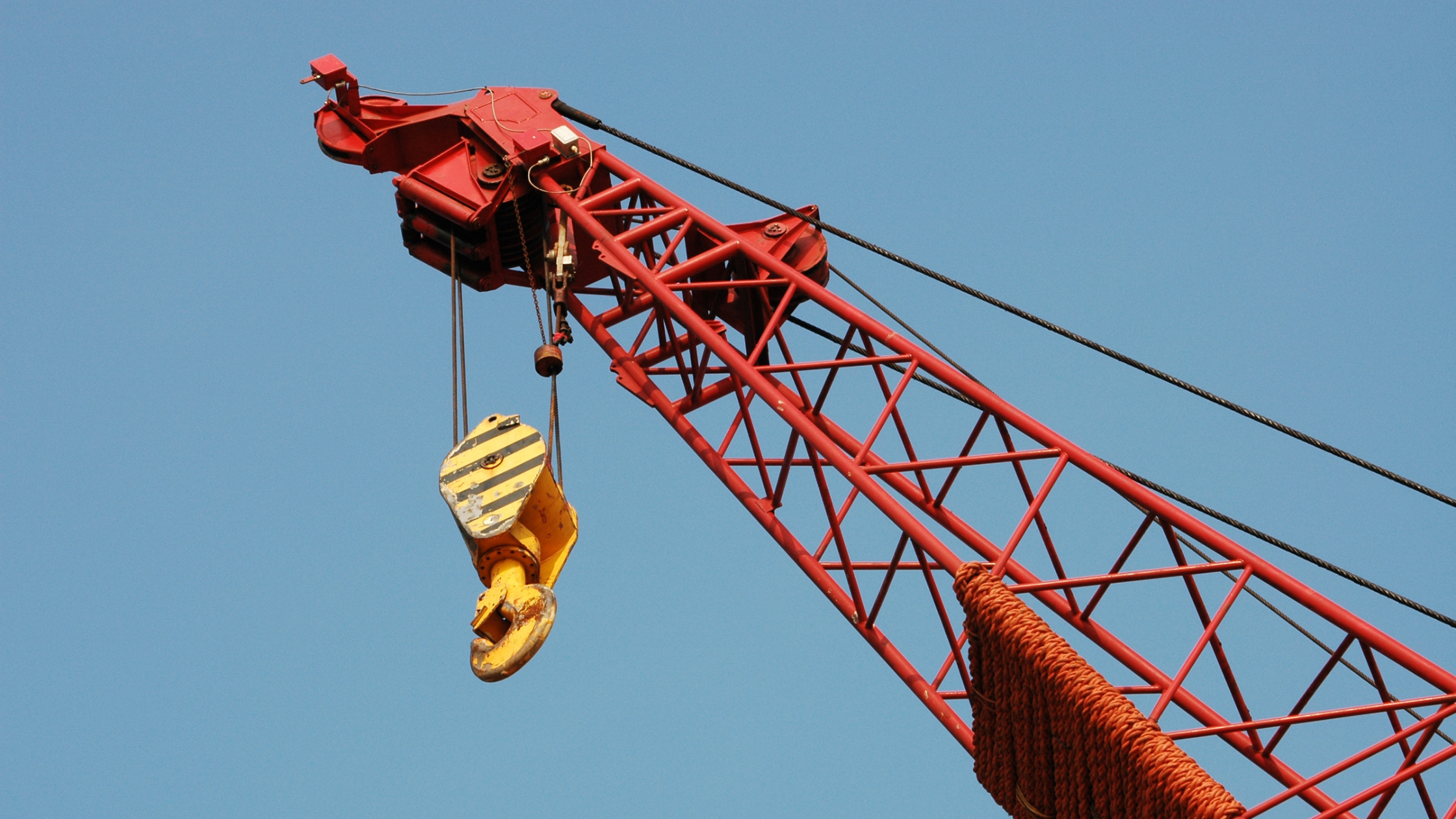
For an overhead crane, this may involve examining the lifting mechanism, structural components, ropes or chains, hooks and relevant safety devices.
The examiner may also assess signs of excessive wear, corrosion or damage.
They may carry out functional checks and use additional examination methods where necessary.
The purpose isn’t simply to confirm that the equipment still operates. It’s to identify defects that could make continued operation unsafe.
After completing the examination, the competent person prepares a report recording the results and any required actions.
Is a LOLER Inspection the Same as Crane Servicing?
Although businesses sometimes use these terms interchangeably, LOLER examinations and routine maintenance serve different purposes.
A thorough examination assesses whether lifting equipment remains safe for continued use.
Routine maintenance focuses on keeping the equipment in good working condition.
Maintenance activities might include lubrication, adjustments, replacing worn components and investigating operational faults.
Both processes play an important role in managing lifting equipment.
Regular servicing doesn’t remove the requirement for a statutory thorough examination, and a thorough examination doesn’t replace routine maintenance.
Businesses should arrange both according to their legal responsibilities, equipment requirements and operating conditions.
What Happens If an Inspection Identifies a Problem?
If the examiner discovers a defect, the appropriate response depends on its seriousness.
Some issues may require attention within a specified timeframe, while others may make the equipment unsafe to operate immediately.
Where a defect presents an immediate or potentially serious danger, the business must take appropriate action to prevent unsafe use.
The competent person must also follow the relevant reporting requirements.
Managers should retain examination reports, communicate any restrictions to operators and arrange the necessary corrective work.
Ignoring a reported defect could put employees at risk and create further operational problems.
Why Regular Examinations Benefit Your Business
Meeting legal requirements is an important reason to arrange LOLER examinations, but there are practical benefits too.
Identifying deterioration early allows businesses to plan repairs before problems develop into major failures.
Regular assessments also provide a clearer understanding of the condition of lifting equipment.
This information can support maintenance planning, equipment investment decisions and better management of operational risks.
For businesses that rely on cranes every day, a proactive approach helps reduce unexpected disruption.
Arrange Your Lifting Equipment Inspection with Taurus Cranes
At Taurus Cranes & Hoists Ltd, we understand how important safe and reliable lifting equipment is to your business.
We provide lifting equipment inspections, servicing, repairs and maintenance support for businesses across the UK.
Our experienced team can help you understand your equipment’s requirements and arrange the appropriate inspection and maintenance services.
Contact Taurus Cranes today to discuss your lifting equipment inspection requirements.
Phone: 01704 332 291
Email: info@tauruscranes.com
Website: www.tauruscranes.com
Check Out Our Other News
Related Posts